The Real Reasons Your Christmas Gift Packaging Fails (And What’s Actually Causing the Damage)
I wrapped a friend’s Bluetooth speaker last December in what I thought was decent paper — thick stuff from Target, pretty snowflake pattern. Two days later she texted me a photo. The corner had punched straight through like it was tissue.

That’s when I realized most of us are blaming the wrong thing.
Here’s what actually destroys your Christmas packaging: it’s not the paper quality (usually). It’s the fact that modern gifts have gotten pointier. Seriously. Electronics with sharp corners, boxed candles with rigid edges, those trendy Stanley cups with their handles jutting out — they’re all working against traditional wrapping methods. The paper might be fine. Your technique might be fine. But you’re trying to wrap a porcupine with techniques designed for sweater boxes.
And the tape situation? Don’t even get me started.
Most people use way too little tape because they’re worried about it looking bulky. So they do these tiny strips at the seams. Then they add a bow on top — which weighs more than you think — and the whole thing starts separating at the folds within hours. I’ve seen presents under trees that look like they went through a shredder, and it’s always the same issue: structural failure at the stress points.
But here’s the thing nobody talks about: humidity. If you’re wrapping gifts in a warm house (heat cranked up because it’s winter) and then moving them to a cold garage or car trunk, that paper expands and contracts. Cheap christmas packaging literally can’t handle the temperature swing. The adhesive on your tape gets brittle. The paper fibers relax. Everything goes to hell.
Also — and I’m probably going to make some people mad here — glitter wrapping paper is structurally weaker than plain paper. The coating process thins out the base layer. Looks great in the store. Falls apart when you’re trying to fold a corner around something with actual dimensions.
How to Choose Christmas Packaging Materials That Won’t Fall Apart Under Pressure
I watched my brother-in-law wrap a 30-pound standing mixer last December using dollar-store paper. It held for maybe eight seconds before the bottom just… gave up. Tore clean through at the fold line.

So here’s what actually matters when you’re choosing christmas packaging that won’t betray you mid-handoff: paper weight (measured in GSM — grams per square meter), tear resistance, and whether the material has any actual tensile strength. Most wrapping paper sits around 60-70 GSM. That’s fine for books and scarves. Completely useless for anything over 5 pounds or with sharp corners.
You want 80+ GSM if you’re wrapping:
- Kitchen appliances (blenders, air fryers, anything boxy and heavy)
- Board games — those corners are corner-killers
- Anything in a manufacturer’s box with zero padding
- Gifts that need to survive a car ride or shipping
And here’s the part that trips people up: matte finishes hold up better than glossy ones under stress. The coating on glossy paper makes it look premium, but it also makes the paper more rigid and brittle. When you fold it tight around an edge, that coating cracks. Then the whole thing splits.
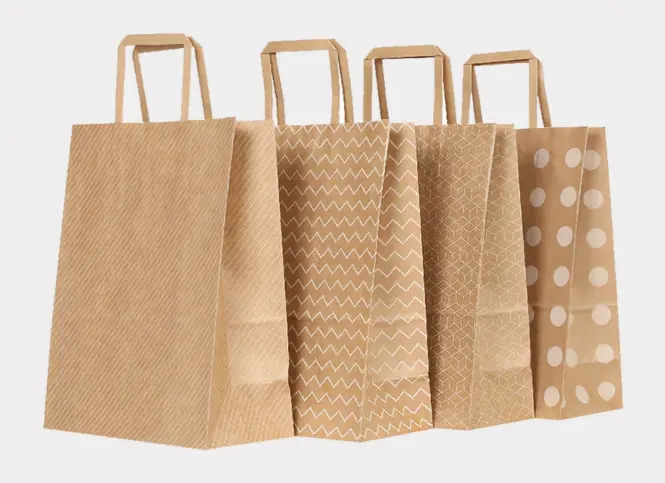
Kraft paper — the brown stuff that looks like you’re wrapping a package for the post office — is actually the strongest option. It’s ugly as hell by itself, but you can dress it up with ribbon or stamps or whatever. I’ve wrapped 40-pound boxes of tools in kraft paper and had zero structural issues.
One more thing: if you’re using fabric (like those reusable cloth wraps everyone’s trying to push), check the weave density. Loose weaves look nice but they stretch out when you tie knots, and then your whole wrap job sags. You want a tight weave — almost canvas-like — if you’re going the fabric route. Costs more upfront but you’re not buying new christmas packaging every year, so it evens out.
Simple Fixes That Make Your Holiday Packaging Actually Hold Up Through Shipping
I shipped a box of homemade cookies to my sister in Portland last December, wrapped them in this gorgeous metallic paper with hand-tied bows, and the whole thing arrived looking like it got drop-kicked by a FedEx driver. Which it probably did.

Here’s what I learned: pretty doesn’t survive the sorting facility. But you can make christmas packaging that’s both nice-looking AND structurally sound if you stop thinking like a gift wrapper and start thinking like someone who packs fragile stuff for a living.
First — and this sounds stupid but I see people skip it constantly — tape every seam. Not just the center fold. Every. Single. Seam. The edges where the paper overlaps on the sides? Tape them. That little triangle fold at the corners? Tape it. Use clear packing tape, not Scotch tape. Scotch tape is decorative. Packing tape is structural.
Second thing: double-box anything breakable. I know, I know — it’s wasteful, it’s extra work, whatever. But if you’re shipping glass ornaments or ceramic mugs or anything that can shatter, put the wrapped gift in a smaller box with padding, then put that box inside a larger shipping box. The inner box absorbs the first impact. The outer box takes the beating. Your wrapping paper stays intact because it’s not doing the structural work anymore.
And honestly? Consider wrapping the inner box only. Ship the outer box plain. Sounds boring but your recipient still gets the full unwrapping experience when they open the shipping container — they just don’t have to deal with shredded paper and crushed bows first. Plus you’re not advertising “HEY THERE’S A GIFT IN HERE” to porch pirates.
One more hack that saved my ass this year: if you’re using ribbon, tie it UNDER the box, not over the top. Route it around the bottom and sides so the knot sits on the underside. That way when the box gets stacked or shoved, the ribbon isn’t the first thing to catch and tear. Took me four ruined packages to figure that one out (I’m a slow learner sometimes).
Why Your Current Christmas Wrapping Technique Is Setting You Up for Disaster — and the Better Way
I watched my sister-in-law wrap a cashmere scarf last December using the exact method our mom taught us in 1998. Perfect hospital corners. Crisp folds. Looked magazine-ready. Then she slapped a single piece of Scotch tape on the seam, added a stick-on bow, and called it done.
That package didn’t survive the car ride to her in-laws’ house. Not even close.
Here’s what nobody tells you about traditional wrapping: it’s designed for hand-delivery in a climate-controlled environment where nothing touches your package except maybe another gift under the tree. The second you introduce real-world variables — a canvas tote bag, a trunk full of groceries, a toddler who wants to “help carry” — that beautiful wrap job becomes structural tissue paper held together by hope.
The better way isn’t prettier. Actually it looks kind of utilitarian at first. But it works.
Start with the tape situation. You need a continuous seal along every seam — not decorative dabs at the corners, but an actual barrier. I run clear packing tape (the 2-inch width) along the full length of each fold before I even think about decorative elements. Yeah, it’s overkill for christmas packaging that’s going three feet across the living room. Not overkill for anything that’s traveling.
Then — and this feels wrong the first time you do it — wrap the whole thing in clear cellophane or shrink wrap before you add bows or tags. Craft stores sell it in rolls for about eight bucks. Creates a protective shell that keeps paper from catching on stuff. Your decorative work sits on top of that barrier, not doing any structural lifting.
And honestly? The tape-then-cellophane method has saved me more times than I can count. My brother shipped me a gift last year using this technique and it arrived looking like it just came off the wrapping table (he lives in Oregon, I’m in North Carolina). Meanwhile the “professionally wrapped” item from a department store showed up looking like it lost a fight with the sorting machine.
One last thing: if your package is going in a bag or suitcase, wrap it in bubble wrap first, then do your pretty paper over that. Adds maybe 90 seconds to your process. Prevents approximately 100% of crushed-corner disasters.
Conclusion
Look — Christmas packaging doesn’t have to be this huge production. Wrap tight, tape smart, add a cellophane barrier if it’s traveling more than ten feet. That’s 90% of the battle right there.
The stuff that looks impressive isn’t always the stuff that survives. I’ve seen elaborate bows get demolished while basic brown paper with good structure shows up pristine. Focus on protecting the gift first, then make it pretty on top of that foundation.
And if you’re shipping? Double-box it. Seriously. Your wrapping job will thank you when it arrives looking like you actually tried.
Frequently Asked Questions
Q: What’s the best way to wrap oddly shaped Christmas gifts?
A: Forget trying to make paper conform to weird angles — put the gift in a box first. Tissue paper or crumpled newspaper fills the gaps, then you wrap the box like a normal person. Takes 30 seconds of prep and saves you from that crumpled-ball-of-shame look.
Q: Can I reuse Christmas packaging from gifts I receive?
A: Absolutely, and honestly? Good wrapping paper is expensive enough that you should. Just be strategic about how you unwrap — slide your finger under the tape instead of ripping through. I’ve reused the same roll of thick kraft paper for three years now.
Q: How do I keep Christmas packaging from getting destroyed during shipping?
A: Double-box it. Wrap your gift, put it in a box with padding, then put that box inside a larger shipping box with more padding between them. The outer box takes the beating, your actual Christmas packaging stays pristine. Costs maybe $3 extra in materials.
Q: What’s the difference between wrapping paper and gift wrap?
A: They’re the same thing — just different terms people use. “Gift wrap” sometimes refers to the whole process (paper, ribbons, bags, everything), while “wrapping paper” specifically means the paper itself. Regional thing, mostly.
Q: Is it worth buying expensive Christmas packaging materials?
A: The paper? Yeah, actually. Thicker paper (at least 60gsm) doesn’t rip when you’re wrestling with corners, and it looks significantly better than the dollar-store stuff. The bows and ribbons though — total waste unless you’re doing professional gift baskets or something.
Q: How much tape should I use when wrapping Christmas gifts?
A: More than you think. Every seam should have tape, plus reinforcement on the ends where paper naturally wants to pop open. I go through a whole roll per 8-10 medium boxes, and I’m not even excessive about it.
Q: Why does my Christmas packaging always look wrinkled?
A: You’re not pulling tight enough before you tape — the paper needs tension or it buckles. Also, cheap thin paper wrinkles if you breathe on it wrong. Get something thicker (kraft paper works great) and really yank it taut before securing each fold.
Q: Can I wrap Christmas gifts the night before without them looking terrible?
A: Sure, but keep them flat and away from kids or pets who’ll knock them around. The real enemy is humidity — if your house gets damp overnight, paper can go limp. Stack them carefully and you’re fine.