Introduction
When producing your goods, the distinction between Hardcover and Folding Box es is an important choice because it not only dictates the way your customers perceive those products but also their safety. In this guide, we will discuss these two types of packaging to help you make a decision like yours based on your actual product needs.
Pros and Cons Comparison
Before we start, let’s check the pros and cons of Hardcover Box es and Folding Boxes in the following table in order to get a clearer understanding.
| Criteria | Hardcover Box | Folding Box |
|---|---|---|
| Material | strong and durable board or cardboard | light paperboard or corrugated materials |
| Assembly | arrives pre-assembled and can be used immediately | requires manual setup and assembly |
| Customization | offers high-end customization choice | due to the folding design only limited to |
| Presentation | possesses a luxurious and premium appearance | somewhat convenient and casual styling |
| Protection | offers ideal protection for fragile products | suitable for products not easily damaged |
| Storage Space | not flat for more storage space | can be placed flat to save on storage space |

Use Case Scenarios
To make an informed decision, let’s consider a few common use cases for Hardcover Boxes and Folding Boxes:
- Luxury Products: If packaging luxury items with a high-end look such as jewelry or electronics, then Hardcover Boxes might be the best choice because of their luxurious appearance and strong construction.
- Retail Display: If the products are to be displayed in retail store shelves, then a Folding Box could save labor; being simple both to fold and assembly points towards it.
Regarding shipping and transportation: A Hardcover Box offers better protection during transit for delicate items than does a Folding Box. With these considerations and the specific requirements of your particular product, you can determine whether a Hardcover Box or a Folding Box is best for packaging your products.
Learning about Folding Boxes and Hardcover Boxes
How you package a product is crucial to its presentation and safety, and can thereby significantly impact how it’s perceived. Here we look at these two types of boxes in detail so that you can make an informed choice.
Folding Box
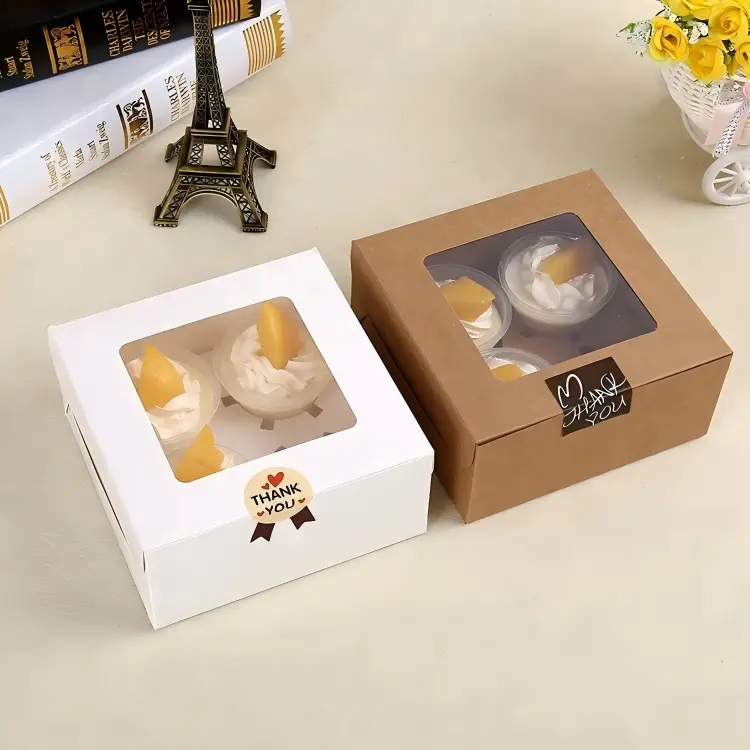
Folding boxes are flexible packaging solutions that offer both convenience and versatility. They are generally made of paperboard and can be simply folded into shape, which makes them suitable for various products – such as cosmetics, electronics or food items. Here are some key points to note:
- Material: Folding Boxes are typically manufactured from paperboard because its lightweight nature makes it very easy to customize.
- Assembly: This type of box is designed to be assembled quickly, thereby saving packing time.
- Cost-effective: Usually their price is more competitive than that for other types of packaging – which makes them a budget-friendly option for commercial clients.
- Eco-friendly: Many types of Folding Box can be recycled and biodegraded, meaning they are in line with current trends in sustainable packing.
Hardcover Box
By contrast, Hardcover Boxes emphasize sturdiness as well as sophistication and are an exclusive packaging choice for luxury goods. They offer not only a dignified appearance but also substantial protection. Here are some of the characteristics of Hardcover Boxes:
- Material: Hardcover Boxes are made of hard materials such as cardboard or chipboard, which can effectively protect products that are fragile and expensive. (p. 345)
- Customization: They can be equipped with a variety of customization options including embossing, foil stamping, and matte or glossy finishes. These materials can help you develop a packaging design that is both unique and attractive. (p. 345)
- Perceived Value: Products displayed in Hardcover Boxes look luxurious and therefore exhibit a higher value. (p. 345)
- Durability: Hardcover Boxes are strong and can take rough handling in shipping without any damage to the product inside. (p. 345)

Comparison Table: Folding Box vs. Hardcover Box
Metro works to provide a visual contrast on Folding Boxes and Hardcover Boxes.
| ITEM | Folding Box | Hardcover Box |
|---|---|---|
| MATERIAL | Paperboard | Cardboard or Chipboard |
| ASSEMBLY | Quick and easy | Time consuming |
| CUSTOMIZATION | Limited options are available | Great material for creative packaging |
| DURATION | Modest | Heavy protection offers high durability |
| COST | Economical | High cost, high grade |
| ECOCourageous(LESS) | Recycle and nonflammable | More harmful to the environment |
Conclusion
In conclusion, the choice between a Folding Box and a Hardcover Box is taken up by your products’ particular demands and brand style. If you are particularly concerned with cost-effectiveness and environmental sustainability, then a Folding Box might be the way to go. However, if luxury and durability must comprise the final result then it is a Hardcover Box that will fulfil all of your packaging needs. Do take your time carefully assessing which one best suits your products and therefore your brand aesthetics.
Folding Box vs. Hardcover Box—Comparison
When selecting the most suitable form of packaging for your product, you should bear in mind its specific requirements and characteristics. Both types of boxes have their own unique benefits and are suitable for various purposes. The following comparison may help you to make a decision.
Durability
| Thing | Folding Box | Hardcover Box |
|---|---|---|
| Material | Cardboard | Hard board |
| Strength | Moderate | Strong |
| Dura bility | Low。 | High. |
Customization Options
| Thing | Folding Box | Hardcover Box |
|---|---|---|
| Printing | Limited. | Unlimited |
| Finishing | Limited. | Versatile |
| Shape | Standard. | Customized |
As for Folding Boxes, they are usually made from cardboard and have moderate strength as well as low durability. They are appropriate for light weight products such as food and can be mass produced at low cost. In contrast, Hardcover Boxes are made from rigid materials of great strength and durability, therefore they are especially suited to protect valuables or fragile objects.
In terms of customization, Hardcover Boxes provide far more possibilities than Folding Boxes where printing, finishing and shape are concerned. If you need a design of Interlocking or for instance separate lids (different shapes), a Hardcover Box might be what suits your needs. (15 words)
When choosing between a Folding Box and a Hardcover Box, you should take into account both the weight as well as the fragility and value of your product. Given your budget, the needs of your branding and overall look to achieve, you can decide. By evaluating these factors, you will see which type of box will give your product the best protection and present it in the most attractive light when sold on the market.
When choosing between a folding box and a hardcover box for your product packaging, there are several important considerations to keep in mind. By carefully evaluating these considerations, you can determine which type of box will best fit your product and brand. Here are some key factors to think about when making that decision:
1. Durability
- Folding Box: folding boxes are generally made of lighter materials, so they may not be as strong as hardcover boxes.
- Hardcover Box: These are known for their strength and ability to protect the product inside.
2. Aesthetics
- Folding Box: It is often easier to customise folding boxes.
3. Cost
- Folding Box: materials and the simplicity of its construction mean slot cheaper to produce.
- Hardcover Box: Can be more expensive to make but could lend more value to the product itself.
4. Functionality
- Folding Box: a)That can be folded into a flat shape to save storage and transportation space.
- Hardcover Box: It gives the user a feeling of being worth more, a more luxurious experience.
5. Environmental Impact
- Folding Box: b)c Environmentally speaking, they are more favorable towards the environment than other types of packaging due to ease recyclable materials and packing.
- Hardcover Box: counterargument, such counterargument holds that hardcover boxes’s environmental impact is high despite their longevity.
6. Brand Image
- Folding Box: s For a modern and abstract image, folding-box service is appropriate.
- Hardcover Box: It is more fitting for products that intend to convey a message of luxury and refinement.
Of course, whether a folding box or hardbox best fits your product is ultimately up to combinations you make rebranding budget & budget, doing business and environmental review. With a little thought, when weighing these factors you can choose a packaging option which aligns closely with your overall marketing strategy as well as key trademarks of your products.
From the standpoint of your product, both folding boxes and hardcover boxes have their advantages
When you choose packaging for your good, it is important to consider the advantages of both folding boxes and hardcover ones. This text aims to help you understand what each type can offer so that that decision can be made with forethought and information.
Advantages of Folding Box
Folding boxes (also known as cartons or paperboard boxes) have many advantages when used as product packaging:
- Cost-effective: In general, the production cost of folding boxes is lower than that of hardcover boxes. This makes them an affordable choice for businesses which save on packaging.
- Lightweight: Because they are made from materials such as paperboard which are very light in weight, folding boxes are perfect for those products that need easy handling and transportation without adding undue bulk.
- Structure customized: Folding boxes offer high flexibility in size, shape and design. This allows you to make packaging that is perfect for your product and brand image.
- Eco-friendly: Many folding boxes are made with recycled materials in order to ease the environmental burden. This means that they will not only help the planet, but also support those consumers as well as companies who try to run their own businesses in a sustainable way.
Advantages of Hardcover Box
They are more costly than folding cartons, but there is a margin of superiority. You get hardcover boxes, PS magnificent with high-end goods or gifts that require an added touch of packaging finesse. Not only does the tough construction of this type of box safeguard fragile and valuable contents such as books or paintings from harm, but it will ensure them in transport and storage are safe for a long time to come. Hardcover boxes generally are strong enough for your customers to use in another way, thereby extending their useful life-an added benefit which adds value to any product purchase. A beautiful box can elevate the perceived value and quality of your brand, exerting an indelible imprint on customers.
Comparison Table: Folding Box vs. Hardcover Box
The table below is designed to help you clearly see the distinctions between folding boxes and hardcover boxes:
| Feature | Folding Box | Hardcover Box |
|---|---|---|
| Cost | Economical | Premium |
| Material | Paperboard | Rigid cardboard |
| Customization | Highly customizable | Limited customization |
| Protection | Suitable for lightweight items | Ideal for fragile or high-value products |
| Sustainability | Recyclable | Less eco-friendly |
Summary
In conclusion, both folding boxes and hardcover boxes present distinct advantages for your product packaging. Consider factors such as budget, type of product, brand image, and ecological impact when deciding which option to pursue. Whether you choose the versatile cost effectiveness of folding boxes or the sophisticated appeal of hardcover boxes, the right packaging can enhance how your product appears and is experienced by customers.
Implementation of Folding Box and Hardcover Box
When it comes to packaging your products, your choice between a folding box and hardcover box can have a major effect on the way both the appearance and protection of your goods. So let’s see how these two packaging options are implemented, in the hope that you will have a clear understanding of whether it best suits your produc.
Folding Box Implementation
Folding boxes, also known as cartons, are a versatile packaging solution that is used for a wide variety of products. Here are some things to bear in mind when implementing folding boxes.
- Material: Folding boxes are normally made from paperboard, which provides a good blend of strength and cost-effectiveness.
- Assembly: These boxes are engineered to be simply folded into shape, making them both easy to store and convenient for transportation.
- Customization: Folding boxes can achieve a variety outputs: matte or glossy coatings, for example, which enhance the look of your product.
- Eco-Friendly: Many folding boxes can be recycled and are environmentally friendly, a real selling point to green buyers.
Hardcover Box Implementation
On the other hand, hardcover boxes offer a more premium and solid packaging alternative. Some points to consider when implementing hardcover boxes are:
- Durability: Hardcover boxes provide top-notch protection for anything fragile or valuable. They are perfect for luxury items.
- Aesthetics: In hardcover boxes, the rigid structure shows instant elegance and style, enhancing the perceived value of your product.
- Customization: Hardcover boxes can be decorated with various design elements, such as embossing or foil stamping, to allow customers to enjoy a sense of luxury when unwrapping their goods.
- Reusability: Hardback boxes, due to their robust construction, go on to live a second life as storage containers used by the customer, thereby extending the packaging’s useful life.
Comparison Table: Folding Box vs. Hardcover Box
To help you make the right decision, the following comparison table clearly shows the main differences between folding boxes and hardcover boxes.
As an enthusiastic pack-bagger, I have to admit that folding boxes are compact and easy to carry. They usually aren’t too solid but for light items such as plastic bottles this is perfect! A hardcover book box has the advantage of being able to contain material without damaging it. Its walls not the lid will bruise any protruding objects. As the pros and cons list above shows Everyone has different needs for their brand packaging so it’s critical to compare the advantages and disadvantages of both paper bag styles when trying to choose which is best for you.
Pros and Cons List
In order to help you make the right choice You’ll find the extent of folding boxes plus hardcover boxes.
| Aspect | Folding Box | Hardcover Box |
|---|---|---|
| Material | Paperboard | Rigid board or chipboard |
| Assembly | Foldable | Pre-assembled |
| Durability | Moderate | High |
| Customization | Limited | Extensive |
Fear not, folding boxes are recyclable whereas hardcover books Get it right next time!
Hardcover Box:
superior protection :
luxurious housing ***
If your product has particularly demanding requirements, though of course personally this is the same as those products creatable within a new system. When a comparison is made of all things unique about both folding boxes and hardcover boxes, the consumer can judge which type of packaging he should use according to his product requirements and band features.
Conclusion
- Durability: Hardcover boxes offer superior durability compared to folding boxes, making them ideal for products requiring extra protection during shipping and handling.
- Luxury Appeal: If you are looking to convey a sense of luxury and sophistication, a hardcover box is the way to go. Its sturdy construction and premium finish elevate the perceived value of your product.
- Customization Options: Folding boxes provide more flexibility in terms of customization, allowing you to choose from various shapes, sizes, and printing options to best showcase your product.
- Cost-Effectiveness: When considering cost, folding boxes are generally more budget-friendly than hardcover boxes, making them a practical choice for businesses looking to save on packaging expenses.
More Environmentally Sound
If sustainability is a key concern for your brand, then folding boxes are usually the greener option. By making use of less material they help reduce processing needs and making their shape easy to reuse compared to hardcover books.
In conclusion, whether a hard management method box or folding management system is considered product appropriate should be decided based on your specific requirements for the consumer, the brand idea, budgetary position and environmental pursuit. Looking at these factors, it can be seen that which kind of case would best suit your product packaging needs.