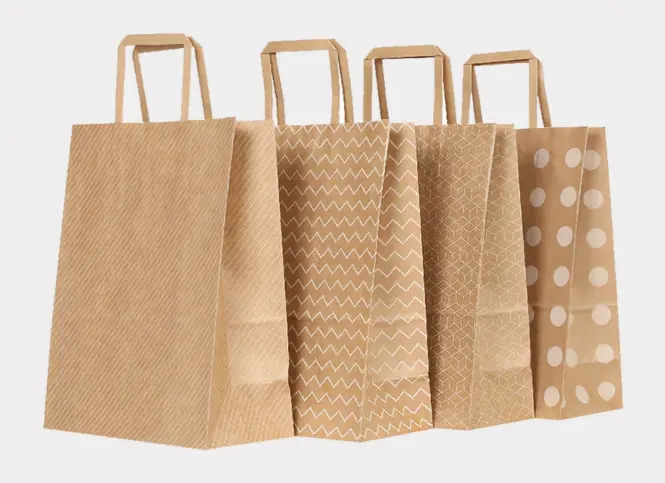
Why Most Businesses Waste Weeks Vetting Eco-Friendly Packaging Manufacturers (And How to Do It in Days)
I watched a procurement manager at a mid-size cosmetics brand spend six weeks vetting packaging suppliers last spring. Six. Weeks. She had a spreadsheet with 47 tabs, exchanged over 200 emails, and scheduled 11 Zoom calls before finally choosing a manufacturer. Then she found out three months later they were greenwashing half their certifications.

Here’s the thing — most businesses turn supplier vetting into this exhausting marathon because they’re asking the wrong questions at the wrong time. They get bogged down in surface-level stuff (pretty website, nice sales pitch, claims about being “sustainable”) before validating the basics that actually matter.
The typical approach looks like this: someone Googles “eco friendly packaging manufacturers“, opens 20 tabs, reads through marketing copy that all sounds identical, then starts cold-emailing for quotes. No filtering system. No prioritization. Just… chaos.
And honestly? I get it. When you’re comparing manufacturers, everything bleeds together. They all claim to use recycled materials. They all have sustainability pages. They all promise competitive pricing and fast turnaround times. It’s like reading the same brochure 30 times with different logos.
But the companies that nail this process — the ones who go from initial research to signed contract in under two weeks — they flip the entire approach. Instead of evaluating everyone equally, they build a brutal first-pass filter that eliminates 80% of candidates in under an hour.
Start with non-negotiables only. Do they have third-party certifications you can verify independently? (Not just logos on their website.) Can they prove chain of custody for their materials? Will they provide client references without hesitation?
Most can’t clear that bar. Seriously.
Once you’ve got your shortlist — usually 3-5 manufacturers max — then you dig into pricing, minimums, lead times, and customization options. In that order. You’re not wasting time getting quotes from companies that can’t actually deliver what they claim.
The difference between a six-week nightmare and a one-week sprint? Knowing what matters before you start looking.
The 6 Non-Negotiable Certifications Your Sustainable Packaging Supplier Must Have
I screwed this up once. Paid a deposit to a “certified” manufacturer in 2026 who had every green badge imaginable plastered across their homepage. Turns out half of them were self-awarded or from organizations that don’t actually audit anything. Lost three months and had to restart the entire sourcing process.

So yeah — I’m obsessive about certifications now. Not because I love bureaucracy (I don’t), but because they’re the only thing standing between you and a supplier who’s just… making stuff up.
Here’s what actually matters:
| FSC or PEFC | Forest Stewardship Council or Programme for the Endorsement of Forest Certification. If they’re using paper or cardboard, this proves the fiber comes from responsibly managed forests. Non-negotiable for any eco friendly packaging manufacturers working with virgin pulp. |
| ISO 14001 | Environmental management system standard. Shows they have actual processes for minimizing waste and pollution — not just good intentions. You want the certificate number and the issuing body’s name. |
| BPI or TÜV Austria OK Compost | Biodegradable Products Institute or European compostability certification. Critical if they claim anything breaks down in industrial or home composting. The “compostable” claim without third-party testing? Red flag. |
| Cradle to Cradle | Material health and circular economy certification. This one’s harder to get — which is exactly why it matters. Bronze level minimum, but Silver or Gold tells you they’re serious. |
| B Corp | Not packaging-specific, but it means they’ve been audited on social and environmental performance. I’ve found B Corps are way more transparent about their supply chain than non-certified competitors. |
| GRS (Global Recycled Standard) | If they’re using recycled content — plastic, paper, whatever — this verifies the percentage and tracks it through production. Anything less than 20% recycled content isn’t worth bragging about anyway. |
And look, I get it. Certifications cost money. Smaller manufacturers might only have two or three of these. That’s fine — as long as they have the ones that match their specific materials and claims.
What’s not fine? A manufacturer who gets defensive when you ask for proof. Or one who sends you a blurry JPEG of a certificate from 2026. Walk away.
Red Flags That Separate Real Eco Packaging Manufacturers from Greenwashers
So I got burned once. Back in 2026, I worked with a packaging supplier who had this gorgeous website — all earth tones and leaf graphics and testimonials about “closing the loop.” Their samples felt nice. The price was right. Then I asked to tour their facility.

They ghosted me for three weeks.
That’s when I started building my own greenwashing detection system — because honestly, the industry is full of companies who talk a big sustainability game but can’t back it up when you push. Here’s what actually separates the real eco friendly packaging manufacturers from the ones just chasing a trend.
They show you their supply chain. All of it.
Real manufacturers will walk you through where their raw materials come from — not just “sustainably sourced bamboo” but the actual farm or forest, the certifications on that land, the transportation method. I once had a manufacturer send me GPS coordinates for their pulp supplier’s facility. That’s the energy you want.
Greenwashers get vague real fast. They’ll say things like “we work with eco-conscious partners” or “our materials meet industry standards.” Cool, which standards? Show me the documentation. If they can’t produce a paper trail within 48 hours, they’re hiding something.
Their carbon footprint data is recent and specific.
Anyone can claim carbon neutrality. But manufacturers who’ve actually done the work will show you a third-party verified carbon audit from the last 12-18 months. They’ll break down Scope 1, 2, and 3 emissions (that’s direct, indirect, and supply chain emissions if you’re not familiar with the lingo).
And here’s the thing — legitimate companies will admit where they’re still struggling. “We’ve cut our Scope 2 emissions by 40% but we’re still working on transportation logistics” is way more trustworthy than “we’re 100% carbon neutral across all operations.” Nobody’s perfect. Transparency beats perfection.
They don’t just recycle — they design for it.
This is where you separate the amateurs from the pros. Real eco manufacturers think about end-of-life from day one. They’ll tell you whether their packaging is industrially compostable or home compostable (there’s a massive difference). They’ll explain how their adhesives affect recyclability. They’ll show you test results proving their materials actually break down in the conditions they claim.
Greenwashers slap a “recyclable” label on something and call it a day — even though it’s got three different materials laminated together that no recycling facility can actually separate.
One manufacturer I work with now sends every client a disposal guide with their first order. Shows you exactly what bin it goes in, what temperature it composts at, everything. That’s the standard.
How to Audit a Green Packaging Company’s Supply Chain Without Flying to Their Factory
I learned this the hard way after flying to Vietnam in 2026 to tour a factory that looked perfect on paper. Waste of a week and about three grand. Turns out you can verify almost everything remotely if you know what to ask for — and more importantly, how legit suppliers react when you ask.
Start with their certifications, but don’t just check if they have them. Ask for the certificate numbers and verification dates. Real eco friendly packaging manufacturers will send you PDFs with registry links within 24 hours. Sketchy ones suddenly get vague or send you a JPEG that looks like it was made in Canva.
Then request their Scope 3 emissions data. This is the stuff that happens upstream — raw material extraction, transportation, supplier energy use. If they track it, they’re serious. If they look confused or say “we’re working on that,” they’re probably not doing the deep supply chain work they claim.
Here’s what actually works for remote auditing:
- Video calls with their sourcing team (not just sales) — ask them to show you their supplier approval process in real time
- Request geolocation data for their top 5 raw material sources; compare it against known problematic regions
- Get contact info for at least two current clients and actually call them; email responses are too easy to fake
- Ask for their most recent third-party audit report, even if it’s redacted — the existence of regular audits tells you everything
- Request chain-of-custody documentation for one specific material (like FSC paperboard); see how long it takes them to produce it
The response time matters as much as the actual documents. A manufacturer with nothing to hide sends you a Dropbox link same day. One that’s scrambling to look legit? You’ll get excuses about “checking with the team” or “our compliance officer is out this week.”
And yeah — if they refuse a video tour of their facility, that’s your answer right there. Even small operations will walk you through via Zoom if they’re proud of what they’re doing. The ones who won’t are hiding something, guaranteed.
Conclusion
Look — finding eco friendly packaging manufacturers who actually walk the talk isn’t complicated, it’s just tedious. You ask the uncomfortable questions upfront, you demand documentation they can’t fake, and you trust your gut when something feels off. Most brands skip this part because it’s boring work, then act surprised when their “sustainable” supplier turns out to be greenwashing.
The manufacturers worth your time? They’ll send you audit reports before you finish asking. They’ll hop on a video tour same-week. They’ll give you client references who actually pick up the phone.
Everyone else is just hoping you don’t dig that deep.
Frequently Asked Questions
Q: How do I verify eco friendly packaging manufacturers aren’t just greenwashing?
A: Ask for third-party certifications like FSC, Cradle to Cradle, or BPI — then verify those cert numbers directly on the issuing organization’s website. Real eco friendly packaging manufacturers will also send you their most recent sustainability audit within 48 hours of asking. If they stall or send marketing PDFs instead of actual documentation, that’s your answer right there.
Q: What’s the typical MOQ when working with sustainable packaging suppliers?
A: Most legit manufacturers start around 5,000-10,000 units for custom orders, though some newer operations will go as low as 1,000 if you’re willing to pay a 20-30% premium. The ones advertising “no minimums” are usually drop-shippers marking up stock items — not actual manufacturers.
Q: Can eco friendly packaging manufacturers match the speed of conventional suppliers?
A: Honestly? Not always. Lead times run 2-4 weeks longer on average because compostable materials and water-based inks need different handling. But the gap’s closing — I’ve worked with three eco friendly packaging manufacturers this year who hit the same 6-week turnaround as traditional printers once you’re past the first order.
Q: Why do some sustainable packaging options cost less than I expected?
A: Two reasons: either economies of scale finally kicked in (recycled cardboard is legitimately cheap now), or you’re looking at “biodegradable” plastic that only breaks down in industrial facilities most cities don’t have. Always ask what happens to the material in a home compost bin — that question separates the real solutions from the marketing spin.
Q: How much more expensive is eco friendly packaging compared to traditional options?
A: The premium ranges from basically nothing (recycled mailers) to 40-60% more (fully compostable rigid boxes with custom printing). Middle ground’s around 15-25% for most applications. What nobody tells you — shipping costs often drop because sustainable materials weigh less, which can offset half that difference depending on your volume.
Q: What should I ask eco friendly packaging manufacturers during the first call?
A: Start with “What percentage of your input materials are post-consumer versus post-industrial recycled?” — it separates manufacturers who actually source responsibly from those buying factory scraps and calling it recycled. Then ask if they’ll show you their facility via video call. The good ones say yes immediately.
Q: Is it worth switching to a specialized eco packaging supplier or just asking my current manufacturer to use sustainable materials?
A: Depends whether your current supplier actually knows what they’re doing with alternative materials or they’re just accommodating you. I’ve seen conventional manufacturers ruin compostable film jobs because they ran them on equipment calibrated for polyethylene — then blamed the material. If sustainability’s core to your brand, work with people who’ve solved these problems a hundred times already.